Wednesday, 7 October 2015

Genre and Audience Research (BFI Report)

Using a report published by the British Film Institute in 2014, we can look into the popular genres in the modern age and the audience they may be more or less likely to attract. Using this as an aid, we can decide the genre we want our hypothetical film to be, and then make our real title sequence using that information.

Genres

It's interesting to see that in 2013, the 3 most successful genres in terms of Box Office Percentage were Animation, Action and Comedy. On the other side of the spectrum, War, Documentary and Romantic films were the least popular, according to this report. However, when thinking about these statistics, bear in mind that the genre of Comedy did also have the most films released (153), possibly contributing to their perceived 'success', and War had the second least, which may have been a factor behind its perceived 'failure'. 
In total, only 33 animated films were produced in the 12 months of research - only 4.7% of movies in total, and 47 of Action (6.7%). This tells us that these types of films may be more expensive to make, since there were only a limited amount released, probably due to the editing and special effects needed, or in the case of action, the amount of expensive props needed to be blown up (cars, helicopters, tanks etc). It also shows that these categories of film attract the highest audiences since they control such a low percentage of the market yet make most of the box office income.


Audience

In terms of cinema admissions, it is actually the 15-24 year old demographic that's the largest audience for films in the UK, with the most popular movie amongst them 'The Hangover Part III'. For the older audiences, the Over 50's, the Drama/Comedy ' Quartet was the film most watched. It was also these older audiences that UK films appealed to - work produced in the UK was big amongst those 45 and over. 
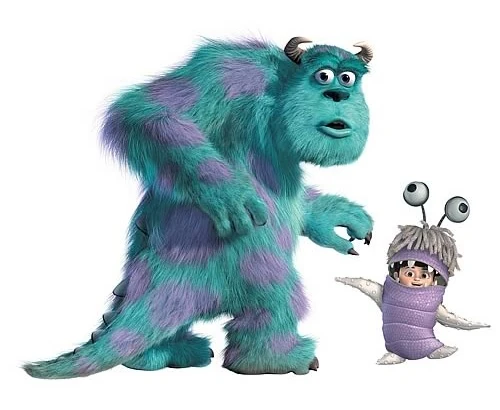
The preferred genre within the 7-14 age range was obvious from the 3 best selling movies: Wreck-It Ralph, Despicable Me 2, and Monsters University - they seem to enjoy Animation as a genre. This appeared to run parallel to the genre most watched by the 35-44 age group, which makes sense, since every child that watches the movie goes with a parent, and parents with young children are on the most part, between 35 and 44. Obviously, this affects the Box Office Income, meaning Animation as a genre may not be as popular as certain statistics suggest. You could even go as far to say that without the added parent, the income from the film may even half, and so the most popular UK genre is probably not Animation.
The movies most successful for 25-34 year olds were as follows: Django Unchained (Western/Action/Comedy), Fast and Furious 6 (Action), Rush (Action) and Trance (Thriller) - all of these you would suspect would provide that 'Adrenaline Rush', and that's why they're probably so popular.
In terms of gender, the genres most successful in the male demographic were the ones you may expect; Action, Comedy, and Thriller, while women seemed to not have a preference, and in general, as a collective, liked a wider range of movie categories. 
Socially, the middle class demographic enjoyed a range of movies according to statistics: from Rush, Fast and Furious and Captain Phillips to Gravity to Oz to Despicable Me 2 - leaving very little to generalise about that particular social class.
What's interesting is the difference in popularity between two different areas of the UK: How can the preference in London be Django Unchained and Fast and Furious 6, while over Hadrians Wall in Scotland they prefer UK-made films like Sunshine on Earth and Filth. This difference is difficult to explain, but perhaps the Scots just enjoy seeing a film that is easily relatable to them due to setting, whereas the Londoners have more of an imagination. Maybe.


Interesting Facts

  • Foreign Language films only bring in 2.2% of the UK Gross Box Office, despite the success of films like The Raid and Untouchable
  • Titanic is STILL the highest ever grossing film in the UK Box Office, despite it being made 18 years ago




RESEARCH - What is Genre?

A genre is a type of media product. It helps to quickly establish differences between different media forms. This happens through particular genre conventions, and also through tropes. To get more specific, there are also sub-genres (variations of certain media types), which helps the audience understand the kind of media they're about to consume even more.

However, media forms don't always have to be incredibly specific. Hybrid genres combine two or more different kinds of media forms into one (like a science-fiction thriller or action comedy).

PICKING FAVOURITES

1. Science Fiction

This genre is great because of its versatility. It can tackle all sorts of issues through metaphoric premises, and is able to handle small, human conflict just as easily as it ponders grand philosophical questions - even pairing the two.


2. Coming-Of-Age Tales/Teen Dramas

This genre is great, because it usually blends comedy with drama in a mostly unique way. The characters usually have to discover something life changing, and that moment often plays out through an emotional beat, but the comedy comes from some of the childish joy the characters still retain. There's more to it, too, that I love, but I feel that sends out the base message best.


3. Animation

Animated movies, whether they're from Pixar or Studio Ghibli, win a spot in my heart. They're able to visually do things that no other genre could ever do, and this leads to some really interesting (and potentially groundbreaking) methods of visual storytelling.

Genres and Sub-Genres (RESEARCH)

A genre is a type or category of a product; in this context, a film. It helps us to categorise a movie in terms of 'Tropes' (recognisable visual or plot features) that they share, and establishes codes and conventions that the makers of films use to achieve a certain effect and get an audience. They usually contain smaller, more specific sub-genres - for example, 'supernatural' is a sub genre under the general genre of Horror. Sometimes a film may contains a large amount of tropes that exist in more than one genre - this is a hybrid genre, such as a 'Rom-Com', a combination of Romance and Comedy.

These easily recognisable 'Tropes' help us identify a film genre, even through still images containing key characters and a setting. Some of my favourite genres can be easily identified through still images, such as the following:


  • We can work out that this film is a Thriller without much difficulty, due to the darkness of the shot and the suspicious behaviour of the character. These Tropes contribute to the reason I like this genre, as the tension is obviously very exciting and the suspense makes the plot incredibly interesting.

  • It's explicit from just this one still image that this movie comes under the genre of Action, due to the obvious speed of it (hinted to by the car chase), perilous danger that the character is in, and the crazy stunts that they perform. This makes the genre extremely exciting and makes sure you leave the cinema still hyped up about it, despite its lack of realism.


  • The genre of this movie is a bit less obvious, but we can still make a decent guess using this still image. The gun and the apparent detective apparel suggest that it is purely a police-action film, but the comedic dancing and main character infamous for his humour eventually leads us to believe it is a hybrid; a mixture of Action and Comedy, under the Sub-Genre of Police-Comedy. It is debatably one of the great genres of the last 20 years due to its great action element but more than that, its top-class comedy that will leave you on the floor. Also, Chris Tucker is amazing.


RESEARCH: What is genre?

Genre is a type or category of a product, in this case film.  As well as genre, you have:

  • Sub-genre: A more precise and in depth subdivisions 
  • Hybrid genre: A mixture
  • Codes and conventions: Recognisable content associated with a certain genre
  • Genre tropes: Common plot and character conventions
There are many different genres including horror, romance, rom-com, fantasy, thriller etc.


My three favourite genres are:
  • Historical/Period drama

I like this genre because I like the costumes and the mannerisms (for want of a better word ) of the time.  I think they can how what's changed and what hasn't in todays society since the setting of the film, which makes for interesting observations.


  • Animation

I like animation because I feel there is lots of freedom to convey your plot/message through the use of characters and themes that you would not be able to do under normal circumstances, creating an engaging and important film. As they appeal to children/ a family audience you can put in messages there wouldn't normally be in a children's film, but still in a fun way keeping the message. 


  • Teenage comedy
I like teen comedies because I feel they can be very relatable and convey important messages through a mask of comedy and fun. However they can sometimes be tedious ad cliche if done badly, if done well they can make iconic films, like 'Mean Girls'.

Tuesday, 6 October 2015

RESEARCH - What Are the 4 Different Types of Film Openings?

Good question.

1. Titles over black
White titles over a black background for the starkest contrast. Cheap and easy, not exactly visually interesting. Historically, it's the most common.

2. Titles on still images
These represented a move past the simple title cards and allowed for each movie to set the tone more uniquely. Film Studios were beginning to see the value of the title sequence.

3. Titles over moving images
This type of title sequence generally doesn't contain any dialogue, but it contains a whole lot of other elements. This combines music, moving images, and sound effects to sell the tone of the movie.

4. Titles using Animation and/or Motion
The titles become a part of the image itself. This requires a lot of digital technology and stylised editing, but the effect can really set the tone. The shapes, colours, character design/drawings all contribute to establishing the genre in a way that no other method could.

PICKING FAVOURITES

By far, my favourite type of title sequence is the fourth variety - titles encorporating the use of animation and motion. Here's a great one:
 

Mad Men Title Sequence from Caleb Woods on Vimeo.

The Mad Men title sequence is so great because it tells you everything you need to know about what this show's deal is, without ever outright telling you anything. We know our setting - 50s/60s. We know the type of world we're dealing with - advertising. We know about the themes the show might tackle - The American Dream and idealism. We know about our main character and his ability to always land with his feet underneath him, and how he projects himself - with suave confidence.

And it looks real pretty.

Shoutout
This isn't the show's common title sequence, but the homage to the Spaghetti Westerns by Community is great.


Monday, 5 October 2015

RESEARCH - Analyse 2 Title Sequences

BoJack Horseman


Bojack Horeseman Titles from Mike Roberts on Vimeo.

This title sequence does a lot right. First of all, the theme is perfect for setting the tone of the series. It's almost psychedelic, with its high points and low points, full of confusion, which reflects the situation of the main character perfectly - he's a drug-using depressive who is completely lost in life. The jazz-like quality to it gives the vibe of Hollywood culture, alongside the shot of the beautiful modern Los Angeles home in which BoJack lives. The way that BoJack simply stares into the camera as the settings in the background change is the perfect visual representation of how life simply happens to the titular character - life passes him by.

Unbreakable Kimmy Schmidt


Unbreakable Kimmy Schmidt from Pentagram on Vimeo.

This title sequence is colourful, upbeat, and visually explosive. The theme is done is the style of a news report remix, and the editing style (particularly of having footage play forwards and backwards in time with the beat of the music) is indicative of the music videos for such remixes. This tells us that the series is living in the viral video age of modern times. This sets a particular upbeat, wild tone to the series and this is very much reflected in the series. The bright colours used for the credits also let the audience know that this show is feelgood and upbeat. It wants you to have ridiculous fun while watching it.

RESEARCH - What Makes a Good Title Sequence (According to Kyle Cooper)?

According to Kyle Cooper (beloved in the title-sequence world for his work on the movie 'Se7en'), a good title sequence boils down to three key elements:

1. It dovetails nicely into the film.
What happens in the title sequence must lead seamlessly into the action of the movie.

2. It sets an expectation amongst the audience.
A good title sequence captures specific genre hallmarks. Is the story a teen dramedy? Do something like this:


As you can see from the example above, the tone is very clear and we know exactly what we're getting when we sit down to watch it.

3. It immerses the audience in the film's/show's world.
All storytelling depends on the suspension of disbelief. It should be the aim of the title sequence to create intrigue and suck viewers into the world that they're sitting down to watch.